Before We Panic: How a Bill Actually Becomes Law

There is a particular rhythm to modern headlines.
A bill is introduced.
A notification flashes.
Group chats light up.
Comment sections ignite.
Within hours, it can feel as though the country is on the brink of transformation — or collapse.
But here is the part we are rarely taught clearly:
Most bills never become law.
Not because they are unimportant.
Not because people don’t care.
But because the legislative process in the United States is intentionally layered, procedural, and slow.
And understanding that changes how we consume political information.
The Reality Behind the Headline
In the average two-year session of Congress, thousands of bills are introduced. During the 117th Congress, for example, more than 16,000 pieces of legislation were introduced. Fewer than 5% were enacted into law.
That statistic alone should recalibrate how we read headlines.
When you see:
“Lawmakers introduce bill to…”
What that means is that paperwork has been filed. It does not mean the bill is viable. It does not mean it has bipartisan support. It does not mean it has funding. It does not mean it will survive committee review.
Introduction is the beginning of a process — not the conclusion of one.
The Committee Bottleneck
After introduction, a bill is referred to a committee. This is where most legislation quietly ends.
Congressional committees are smaller groups of lawmakers who specialize in specific issue areas: finance, judiciary, agriculture, armed services, and so on. These committees decide whether a bill receives a hearing, whether experts testify, whether amendments are made, or whether the bill simply sits untouched.
If a committee chair chooses not to move a bill forward, it dies there.
No viral floor debate.
No dramatic vote.
No sweeping national change.
Just procedural stillness.
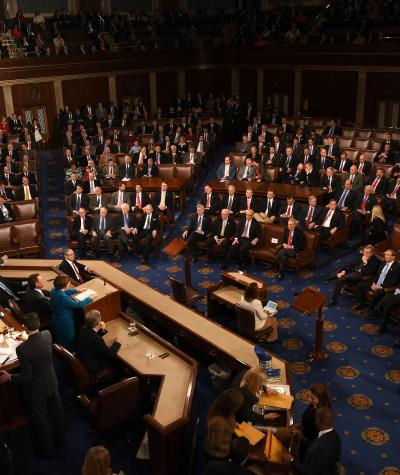
This stage receives very little media coverage, yet it is where the majority of legislative influence happens. Amendments are added. Language is rewritten. Funding provisions are adjusted. This is often where lobbying groups focus their energy — not in dramatic, cinematic fashion, but through highly technical changes in wording.
Policy is shaped in paragraphs, not speeches.
Amendments, Negotiation, and Compromise
If a bill makes it out of committee, it may look very different from the version that was originally introduced. Lawmaking is negotiation. Provisions are added or removed to secure votes. Sometimes bills are bundled into larger legislative packages.
By the time legislation reaches the floor for debate, it has already been shaped extensively behind the scenes.
This is one reason why following only headlines can distort perception. What is introduced in January may not resemble what is voted on in June.
Understanding that complexity lowers emotional volatility. It shifts us from reacting to announcements toward watching process.
The Floor Vote Is Not the Finish Line
If a bill reaches the House or Senate floor, debate occurs and members vote. In the House of Representatives, a simple majority is generally sufficient. In the Senate, however, most legislation effectively requires 60 votes due to the filibuster — a procedural rule that allows extended debate unless a supermajority votes to end it.
This is why it is often inaccurate to say, “Why don’t they just pass it?” The answer frequently lies in procedural math, not political theater.
Even after passage in one chamber, the bill must pass the other chamber in identical form. If the House and Senate pass different versions, a conference committee reconciles them. More edits. More compromise. More negotiation.
And only after both chambers approve the final version does it go to the President, who may sign it into law or veto it. Overriding a veto requires a two-thirds majority in both chambers — a high threshold by design.
Why the System Is Structured This Way
The American legislative system was deliberately designed to be slow and resistant to rapid swings in public opinion. The framers of the Constitution feared concentrated power and sudden shifts driven by temporary passions.

So they built friction into the process:
Multiple chambers.
Layered approvals.
Checks and balances.
That friction can feel frustrating in moments of urgency. It can also serve as a stabilizing force.
Slow does not necessarily mean broken.
It means deliberate.
What Civic Literacy Changes
When we do not understand process, we react to every introduction as if it is inevitable. We mistake delay for conspiracy or incompetence. We assume dramatic headlines equal imminent transformation.
But when we understand how bills actually move — or fail to move — we gain steadiness.
Instead of asking, “How could this happen?”
We begin asking, “Where is this in the process?”
Has it left committee?
Does it have bipartisan support?
Is there a companion bill in the other chamber?
What procedural hurdles remain?
Those questions do not dampen engagement. They refine it.
Civic literacy is not about allegiance. It is about comprehension.
Why This Matters in the Digital Age
Modern media ecosystems reward urgency. Announcements generate clicks. Proposals generate engagement. Speculation generates outrage.
But engagement is not the same thing as enactment.
When fewer than 5% of introduced bills become law, reacting intensely to each introduction keeps us in a perpetual state of alarm. That constant alarm is exhausting. It narrows attention. It discourages sustained, informed participation.
Understanding process allows us to conserve energy for moments that truly require it.
Before We Panic
There will always be legislation that matters deeply. There will always be proposals worth opposing or supporting. Civic participation remains essential.
But participation rooted in knowledge is more powerful than participation rooted in reaction.
Before we panic.
Before we spiral.
Before we assume inevitability.
We can pause long enough to ask a grounding question:
Where is this bill in the legislative process?
That single question transforms how we read headlines. It shifts us from emotional reflex to informed observation. It strengthens our civic resilience.
If we want a more thoughtful country, we do not need louder citizens.
We need steadier ones.
And steadiness begins with understanding how the machinery actually works. Always Curious, Bailey May we think longer, live wider, and choose curiousity.


Comments